Li-S Energy Achieves 456Wh/kg Energy Density and Successful UAV Test Flights

Li-S Energy has set a new benchmark in lithium-sulfur battery technology, achieving a record 456Wh/kg energy density and successfully powering its first UAV test flights, signaling strong momentum in sustainable battery innovation.
- Achieved 456Wh/kg energy density after formation cycling in GEN3 pouch cells
- Completed first successful UAV test flights with a 12-cell lithium-sulfur battery pack
- Awarded 'Most Promising Future Technology' at SIM-PAC Live Sustainability Awards
- Lithium foil extruder passed factory acceptance testing, installation planned for March
- Maintained $20.3 million in current assets as of December 31, 2024
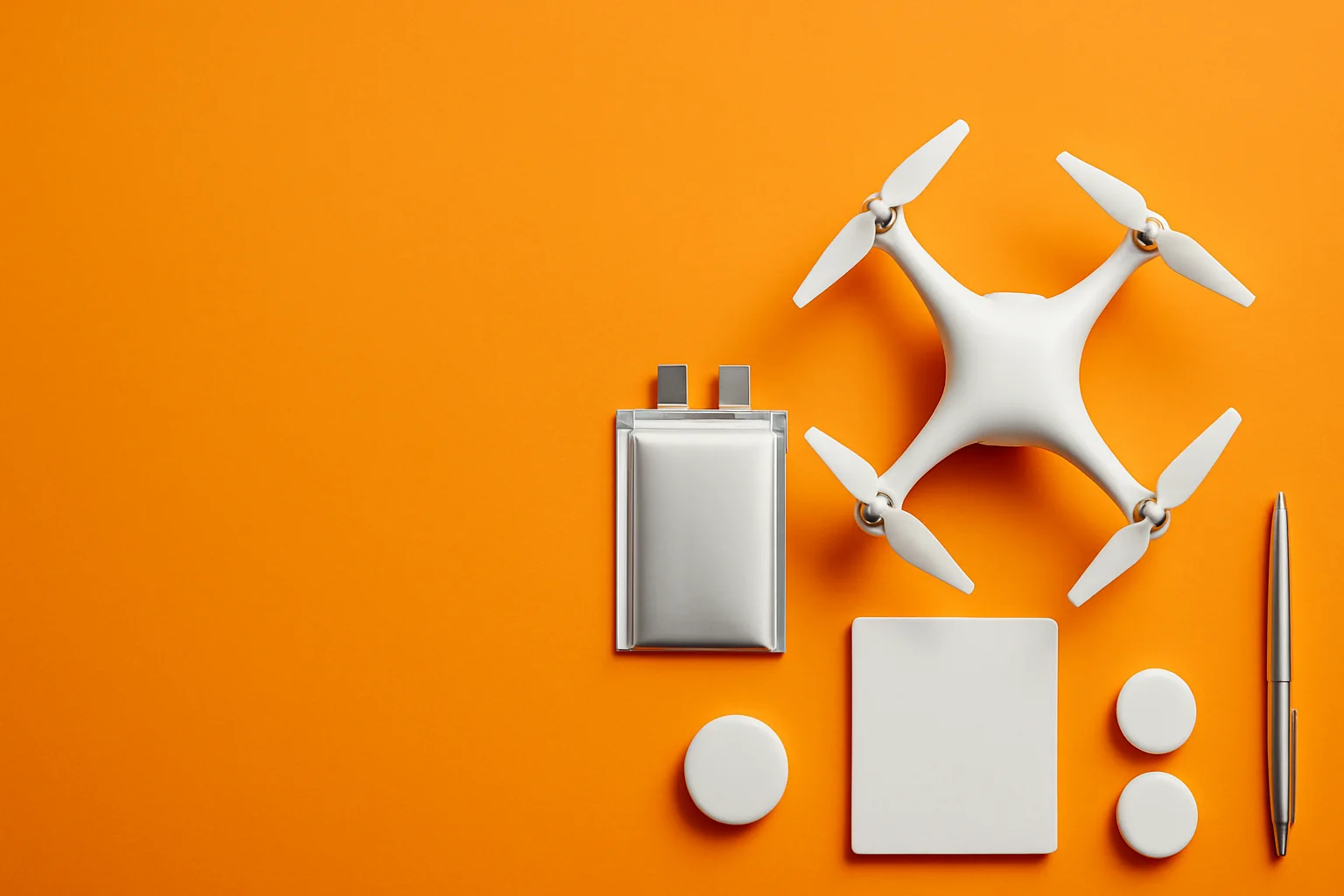
Breaking New Ground in Battery Energy Density
Li-S Energy Limited (ASX: LIS) has marked a significant technological milestone with its latest lithium-sulfur semi-solid-state pouch cells achieving an impressive 456Wh/kg energy density after formation cycling. This achievement, realized on their Phase 3 automated production line, places Li-S Energy at the forefront of high-energy density battery technology, outpacing many competitors who often report inflated figures from smaller cell formats.
The company’s pragmatic approach, testing full-size 10Ah and 20Ah pouch cells, ensures that these figures reflect real-world performance, a critical factor for commercial viability. This breakthrough promises substantial benefits for sectors demanding lightweight, high-capacity power sources, including drones, electric aviation, defence, and security.
From Cells to Flight: UAV Test Flight Success
This milestone not only validates the practical application of Li-S Energy’s technology but also provides valuable operational data to refine battery pack design. The company is now focusing on the Emerging Aviation Technology Partnerships (EATP) 'dawn 'til dusk' drone program, which will incorporate an advanced battery management system to support longer and more complex flight profiles.
Advancing Manufacturing and Industry Recognition
On the manufacturing front, Li-S Energy’s lithium foil extruder has passed factory acceptance testing ahead of schedule, with installation slated for March 2025. This facility will enable the production of lithium foil anodes, both for internal use and external sales, potentially generating early revenue streams.
Recognition of Li-S Energy’s innovation came with the prestigious 'Most Promising Future Technology' award at the SIM-PAC Live Sustainability Conference, underscoring the company’s leadership in sustainable battery technology amidst a competitive field spanning hydrogen, biofuels, solar, and energy storage.
Financial Position and Operational Outlook
Financially, Li-S Energy reported $20.3 million in current assets as of December 31, 2024, with net cash outflows from operating activities at $723,000 for the quarter. Investments continue in property, plant, equipment, and intellectual property, reflecting ongoing commitment to scaling production and technology development.
The company’s transparent reporting and shareholder engagement, including a well-attended AGM and facility tour in Geelong, demonstrate a strong governance framework and investor relations focus as it advances toward commercialisation.
Bottom Line?
Li-S Energy’s technological and operational strides position it well for the next phase of growth, but market adoption and scale-up remain key challenges ahead.
Questions in the middle?
- How will Li-S Energy’s battery management system impact UAV flight endurance and safety?
- What are the commercial prospects and timelines for lithium foil production revenue?
- How will Li-S Energy navigate competitive pressures in the rapidly evolving battery technology sector?