MTM’s Production-Scale FJH Crucible Matches Lab Performance, Boosts Capacity Hopes

MTM Critical Metals has confirmed the scalability of its Flash Joule Heating reactor, paving the way for commercial operations at its Texas facility later this year. The modular design promises potential throughput beyond initial targets.
- Production-scale FJH reaction chamber validated for 1 tonne-per-day plant
- Scaled-up crucible matches heat transfer performance of lab prototypes
- Modular plant design allows efficient capacity expansion
- Feedstock and offtake agreements progressing with US recyclers
- Texas site fully permitted and ready for commissioning in Q4 2025
Scaling Up Flash Joule Heating Technology
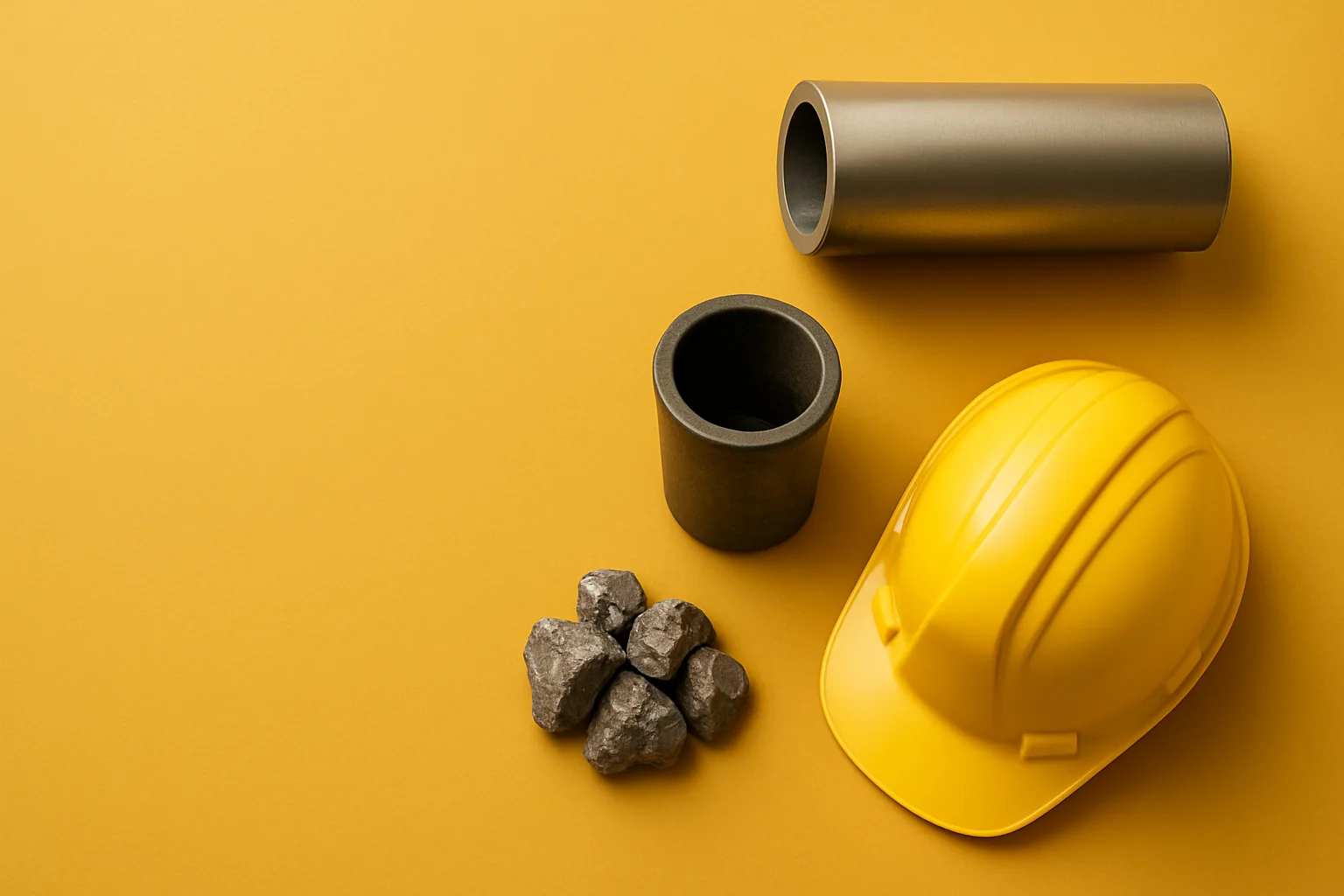
MTM Critical Metals has reached a significant milestone by validating its production-scale Flash Joule Heating (FJH) reaction chamber, also known as the crucible. This development confirms the company’s readiness to deploy its proprietary metal recovery technology at commercial scale in its Texas facility, targeting a throughput of one tonne per day.
The FJH process, originally developed at Rice University and exclusively licensed to MTM, uses rapid electrical heating combined with targeted chemical reactions to extract critical and precious metals such as gallium, germanium, and gold from complex feedstocks including electronic waste. The successful scale-up from lab prototypes to a full-sized crucible demonstrates that the heat transfer characteristics remain consistent, materially reducing the risk typically associated with scaling new industrial processes.
Modular Design and Capacity Upside
MTM’s modular approach involves operating multiple crucibles in parallel within the Texas plant. The recent tests suggest that each module could exceed previous throughput expectations, potentially allowing the plant to deliver higher metal recovery volumes from the outset. This modularity also enables straightforward capacity expansion by replicating the validated crucible design, supported by the company’s fully permitted 5-hectare site in Chambers County, Texas.
Such flexibility aligns well with capital efficiency and rapid scalability, important factors as MTM positions itself within the US critical metals supply chain. The Texas facility is strategically located and equipped with industrial-grade infrastructure, ready to support multi-module expansion without altering the core FJH technology.
Advancing Feedstock and Offtake Agreements
MTM is progressing commercial arrangements to secure feedstock and product offtake, having already contracted over 1,000 tonnes per annum of electronic waste from leading US recyclers. Discussions with downstream partners for the sale of recovered metals like gallium and germanium are advancing, which will underpin operational certainty and revenue generation once the plant is commissioned.
Strategic Alignment with US Policy
The company’s technology and commercial strategy dovetail with US federal initiatives aimed at reshoring critical mineral supply chains and reducing reliance on foreign refining. MTM is actively engaging with government agencies and exploring grant opportunities to support its operations, reflecting a broader trend of fostering domestic clean-tech innovation and supply security.
Commissioning of the Texas plant remains on track for late 2025, with procurement and site works scheduled to begin in the third quarter. Early operations and product qualification with offtake partners are expected to follow shortly thereafter, marking a critical phase in MTM’s commercial rollout.
Bottom Line?
MTM’s validated reactor design and modular plant approach set the stage for a potentially higher-capacity launch, but execution and market uptake will be key to watch.
Questions in the middle?
- Will MTM’s throughput exceed the initial 1 tonne-per-day target upon commissioning?
- How quickly can MTM scale capacity beyond the initial plant using its modular design?
- What impact will US government grants and policies have on MTM’s commercial momentum?