Livium and Iondrive Partner to Revolutionize Clean Energy Waste Recycling

Livium Ltd has entered a binding term sheet with Iondrive Limited to collaborate on recycling end-of-life solar panels, lithium-ion battery black mass, and rare earth magnets using Iondrive’s innovative Deep Eutectic Solvent (DES) technology. This partnership aims to position both companies at the forefront of Australia’s emerging clean energy waste recycling market.
- Binding term sheet signed between Livium and Iondrive for clean energy waste recycling
- Livium to supply solar panels, battery black mass, and rare earth magnets for DES process evaluation
- Iondrive’s DES technology shows over 95% recovery rates in testing
- Partnership complements Livium’s recent collaboration with University of Melbourne
- Focus on advancing Australia’s circular economy and critical minerals supply chain
A Strategic Alliance in Clean Energy Recycling
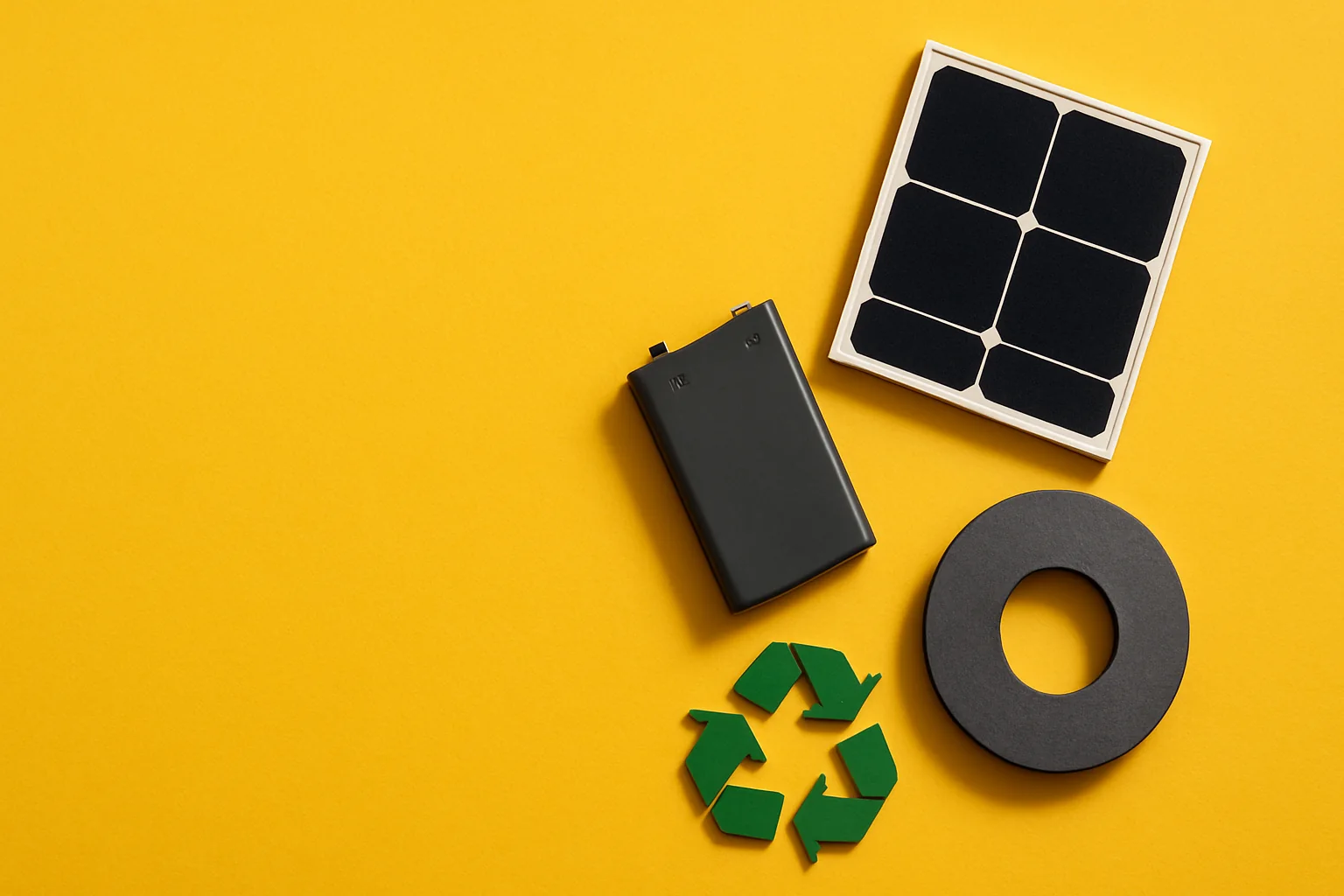
Livium Ltd (ASX, LIT), a leader in lithium-ion battery recycling, has taken a significant step forward by signing a binding term sheet with Iondrive Limited (ASX, ION), an innovator in metal extraction technology. The agreement centers on leveraging Iondrive’s Deep Eutectic Solvent (DES) technology to recycle a range of clean energy waste streams, including end-of-life solar panels, lithium-ion battery black mass, and rare earth element magnets.
This collaboration is designed to combine Livium’s access to critical waste feedstocks with Iondrive’s novel, environmentally friendly extraction process. The DES technology operates at lower temperatures and avoids harsh chemicals, offering a sustainable alternative to traditional recycling methods. Early testing indicates recovery rates exceeding 95%, a promising figure that could reshape the economics and environmental impact of recycling in Australia.
Unlocking Adjacent Market Opportunities
Australia’s rapid transition to renewable energy is generating a growing volume of end-of-life clean energy products. Solar panel waste alone is projected to reach 100,000 tonnes annually by 2030, with recoverable materials valued at over A$1 billion by 2035. Similarly, the lithium-ion battery black mass market is expected to surge globally, driven by electric vehicle adoption and sustainability demands.
Rare earth element recycling, though currently a smaller market, is gaining traction due to the critical role these materials play in magnets for EVs and wind turbines. With recycling rates below 1%, innovative solutions like Iondrive’s DES technology could be pivotal in closing the loop on Australia’s strategic mineral supply and reducing reliance on primary mining.
Pathway to Commercialisation and Scale
The term sheet outlines a 21-month evaluation period during which Livium will supply defined waste streams to Iondrive for process testing and commercial scalability assessments. Both companies aim to negotiate binding commercial agreements for supply and co-location of DES processing units in Australia, with limited exclusivity provisions during the evaluation phase.
Livium’s CEO Simon Linge highlighted the strategic fit, emphasizing the potential to unlock new recovery pathways and accelerate domestic processing capabilities. Iondrive’s CEO Dr. Ebbe Dommisse echoed this sentiment, noting the partnership provides access to real-world feedstocks essential for scaling their technology.
Broader Implications for Australia’s Circular Economy
This partnership not only advances the companies’ commercial ambitions but also aligns with Australia’s broader clean energy and circular economy goals. By developing local recycling capabilities for critical minerals, the collaboration could reduce supply chain vulnerabilities and support sustainable growth in renewable technologies.
Moreover, the deal complements Livium’s recent collaboration with the University of Melbourne, reinforcing its commitment to innovation and leadership in clean energy waste recycling.
Bottom Line?
As Livium and Iondrive move from evaluation to potential commercialisation, their partnership could redefine Australia’s clean energy waste recycling landscape.
Questions in the middle?
- Will the DES technology maintain its high recovery rates at commercial scale?
- How soon might binding commercial agreements and processing facilities be established?
- What impact will this partnership have on Australia’s critical minerals supply security?