Can Audio Pixels’ MEMS Breakthrough Overcome Acoustic Testing Challenges?

Audio Pixels has successfully developed an independent MEMS fabrication process for its second-generation digital loudspeaker, overcoming previous manufacturing hurdles and paving the way for scalable production.
- Independent MEMS fabrication process developed successfully
- Second-generation MEMS transducer array meets demanding specifications
- Scalable manufacturing pathway confirmed feasible
- Acoustic performance testing underway with results pending
- Production ramp-up instructions already issued to fabrication partner
Technological Breakthrough in MEMS Fabrication
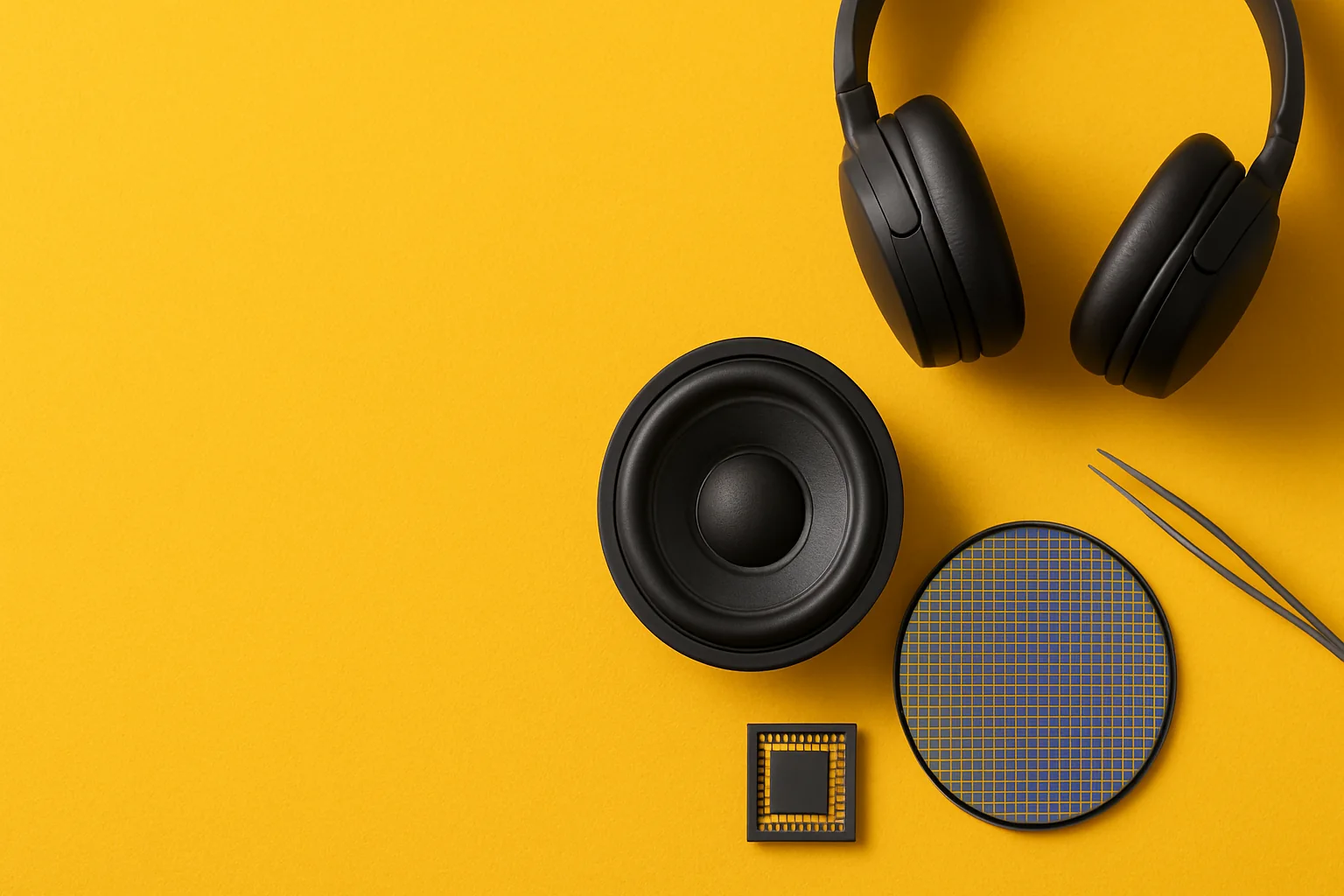
Audio Pixels Holdings Limited has announced a significant milestone in the development of its solid-state digital loudspeaker technology. After months of intensive research and development, the company has successfully established an independent micro-electromechanical systems (MEMS) fabrication process tailored to its second-generation transducer array. This breakthrough addresses long-standing challenges that had previously limited the precision and scalability of manufacturing these advanced devices.
Previously, Audio Pixels relied on external foundry partners to produce its MEMS arrays, but the complexity of the Gen-II architecture pushed conventional fabrication methods to their limits. By taking control of the process development internally, the company has now demonstrated a reliable and repeatable manufacturing pathway that not only meets but in some areas exceeds the demanding performance specifications required for commercial viability.
Implications for Production and Commercialisation
This achievement is more than a technical victory; it signals a crucial step toward scalable production. With the new process flow validated, Audio Pixels has already instructed its fabrication partner to proceed with additional wafer runs, moving closer to volume manufacturing. This progress is vital for the company’s ambitions to supply next-generation digital loudspeakers to consumer electronics markets, where performance and design innovation are key competitive factors.
However, the company is cautious to note that while electromechanical testing of the wafers has been promising, full acoustic characterisation remains pending. Testing acoustic performance on bare wafers is inherently complex and requires adaptation of existing measurement infrastructure. The results of these tests will be critical to confirming that the devices deliver the sound quality and reliability expected from Audio Pixels’ patented technology.
Looking Ahead
Audio Pixels’ journey from research to commercialisation has been marked by steady innovation and strategic pivots. This latest development underscores the company’s commitment to overcoming technical barriers independently, which could translate into greater control over production costs and timelines. As the company moves into the acoustic testing phase, investors and industry watchers will be keenly observing how these devices perform under real-world conditions and how quickly Audio Pixels can scale up manufacturing to meet market demand.
Bottom Line?
With fabrication hurdles cleared, Audio Pixels now faces the critical test of acoustic performance to unlock commercial potential.
Questions in the middle?
- How will the pending acoustic test results impact the timeline for product launch?
- What are the cost implications of the independent MEMS fabrication process compared to previous methods?
- When can investors expect to see revenue growth from scaled production?